
Wisdom Tooth Extractions Parsippany
Gentle Wisdom Teeth Removal by Skilled Dental Experts
At some point in their lives, almost everyone will have to make a decision on whether or not they should have their wisdom teeth taken out. More often than not, it’s the best choice for your oral health, but in the end, it’s a decision that you and your dentist will have to make together. Our experts at Rauchberg Dental Group can identify the signs of problematic wisdom teeth, and if an extraction is needed, they can take whatever steps are necessary to make sure that you don’t experience any discomfort during the process. Call today to set up a consultation and see if you need to start considering a wisdom tooth extraction.
Why Choose Rauchberg Dental Group for Wisdom Tooth Extractions?
- Multi-Specialty Team That Includes an Oral Surgeon
- Family-Friendly Dental Office That Sees All Ages
- We Accept & Maximize Dental Insurance
What Are Wisdom Teeth?
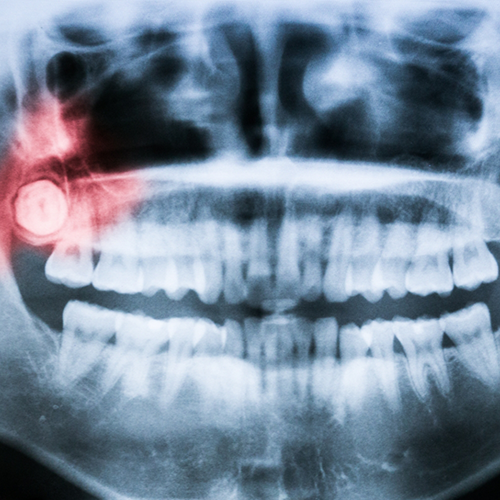
The wisdom teeth are a third set of molars that are located at the back of your mouth, behind all of your other teeth. Some people don’t have any wisdom teeth at all, while others can have one, two, three, or a full set of four. These teeth may attempt to erupt between the ages of 16 and 24, but by that point there probably won’t be enough room for them. Ancient humans may have benefitted from having wisdom teeth because they were more likely to see tooth loss early in life. In today’s world, most people in their late teens and early twenties haven’t experienced tooth loss yet, so wisdom teeth don’t have much utility; in fact, they can do more harm than good.
Why Do Wisdom Teeth Need to Be Removed?
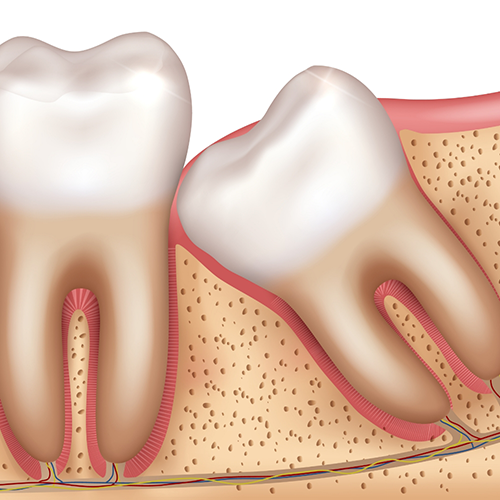
While sometimes wisdom teeth do not cause any problems and can be left in the mouth, generally speaking they can pose a serious threat to your oral health if your mouth isn’t big enough to accommodate them. They might become impacted in your jaw, causing severe discomfort. They can also push against your other teeth and cause them to crowd together. Some people even see cysts or tumors form around their wisdom teeth, which can result in serious damage to the jawbone. As soon as you notice persistent pain near the back of your mouth or any other concerning symptoms, you should call the Rauchberg Dental Group right away so that we can determine whether or not your wisdom teeth are the cause; if they are, we will recommend that an extraction be performed.
What to Expect from Wisdom Teeth Extraction

The basic method for removing wisdom teeth that have already erupted through the gums is to loosen them with an instrument called an elevator before pulling them out with forceps. If the wisdom teeth are impacted (meaning they’re stuck under the gums), a surgical approach is needed. This usually involves opening the gums and removing part of the bone to get to the tooth. Sometimes the tooth itself will be divided into pieces to be taken out one at a time. For both of these procedures, we will numb your mouth so that you don’t feel anything.
Recovering from Wisdom Teeth Extraction

Common side effects after wisdom teeth extraction include facial swelling, bleeding, and mild discomfort. All of these should go away after a certain period of time; call us if they suddenly grow worse. Make sure you’re taking good care of your teeth while you’re recovering; when you brush, avoid directly touching the extraction site. Plan on eating soft foods such as mashed potatoes or scrambled eggs for a few days. Take any medications that we prescribe to you. Please contact our office if you have any concerns during the recovery process.
Wisdom Tooth Extractions FAQs
How should I prepare for my wisdom tooth extraction?
There are a few steps we recommend taking, starting with arranging for a trusted adult to drive you to and from your appointment if you’re being sedated. In the days leading up to the procedure, it’s also a good idea to make sure that you have everything you need for the recovery period (i.e., cold compresses, soft foods, OTC pain medication). Finally, the night before, do your best to get a solid eight hours of sleep so you’re well rested the following day.
As always, if you have any questions regarding your wisdom tooth extraction, you shouldn’t hesitate to give us a call! We’re here to answer any questions you have so the entire process is as smooth and stress-free as possible.
Is wisdom tooth removal painful?
Whether we are removing one or all of your wisdom teeth, the first step of the procedure is always the same: to numb your mouth thoroughly. This ensures that you don’t feel any pain during your time in the treatment chair. A few hours after you return home, you’ll begin to regain sensation in your mouth, which usually comes with some sensitivity and soreness. That’s why we’ll provide you with a list of aftercare instructions, starting with placing a cold compress against the outside of your cheek for 10 minutes at a time and extending to taking prescribed or OTC pain medication as directed on the label.
Why are wisdom teeth called that?
The prevailing theory is that it’s due to when they emerge. While the first two typically come in by 13, the third and final molars often make an appearance in the late teens or early twenties. Since wisdom comes with age, they were deemed “wisdom teeth!”
Are wisdom tooth extractions covered by insurance?
Oftentimes, yes! So, if you are insured, you shouldn’t hesitate to provide us with your membership information. Since we’re in-network with several popular plans and welcome out-of-network ones, we can help simplify the process of maximizing your available benefits and minimizing your out-of-pocket expenses.
Important reminder: Dental insurance isn’t the only way to make the cost of the dental care that you need more affordable. At Rauchberg Dental Group, there are several other financial solutions that are available, including CareCredit. With this trusted third-party financier, you can break up the total cost into manageable monthly chunks. If you’d like more details, take the next step: get in touch with our Parsippany dental team!
How soon can I eat after my wisdom tooth extraction?
You need to wait until you’ve regained full sensation in your mouth so you don’t accidentally bite down hard on your tongue, lips, or the insides of your cheeks. Usually, this takes a few hours. Once you’re in the clear, make sure to read through the aftercare instructions we provide. We typically recommend sticking to a liquid diet (without using a straw!) for the first 24 hours.
I Need a Checkup & Cleaning I Need a Dentist for My Child I Have a Cavity or Broken Tooth I'm Missing One or More Teeth I Want to Enhance My Smile I Want a Straighter Smile I Have a Dental Emergency I Have Sleep Apnea/Snore I am Worried About Gum Disease I Have Jaw Pain/Headaches I am Scared of the Dentist View Our Services