
Root Canal Treatment Parsippany
Easing Your Pain & Preserving Your Smile
Is your tooth severely aching and sensitive? This is one of the most common signs of an infection that’s hidden deep beneath the surface of your tooth and attacking the pulp, which is a collection of nerves and soft tissue. With root canal treatment in Parsippany, we can not only save your natural tooth, but also restore the shape, size, and function of it so you can continue to use it to speak and eat. Our team understands that there’s no substitute for your home-grown pearly white, which is why we’ll always attempt to save your tooth before jumping to the solution of extracting it. That way, you have a chance at being able to enjoy your natural smile for the rest of your life thanks to root canal treatment in Parsippany!
Why Choose Rauchberg Dental Group for Root Canal Treatment?
- Same-Day & After-Hours Emergency Appointments
- Precise & Accurate Diagnoses with Overjet AI
- Serving Families in Parsippany Since 1965
What Is Root Canal Treatment?
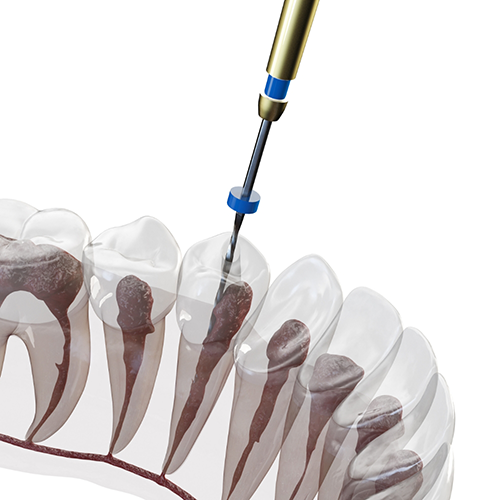
Root canal treatment is a procedure that takes place inside of your tooth, in a section called the inner chamber, where your pulp is located. Before the treatment begins, we will administer a local anesthetic to the area so you won’t feel an ounce of pain during your appointment. Using specially designed gadgets, your dentist in Parsippany will gain access to your tooth and remove the infected pulp that’s causing you pain. We’ll then sanitize the inside of the tooth to make sure that no lingering bacteria remain and seal it off with a special substance that will also help rebuild the shape of your tooth.
After the procedure is done, we’ll take impressions of your tooth and send them off to our dental laboratory to craft your customized, natural-looking crown from. Once it arrives at our dental office, we’ll call you in for your second appointment to cement it to your treated tooth to restore the size and function of it.
Signs That You May Need A Root Canal
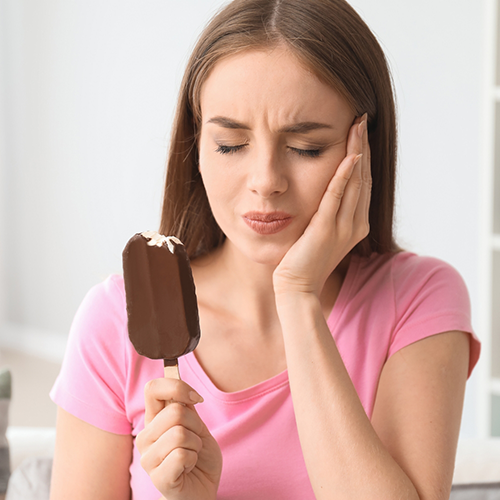
There are many signs that you may require a root canal from your emergency dentist. The most common symptoms that patients exhibit are severe toothaches, but infections can also exhibit signs such as:
- Sensitivity to hot and cold foods and drinks.
- Pain when you bite down.
- Swelling or redness near your infected tooth.
- A bump on the gums near your infected tooth.
If you notice any of these, be sure to contact our dental office immediately so we can examine the tooth and develop a treatment plan to ease your pain.
Tips for Recovering from a Root Canal

After your root canal treatment, we’ll provide you with a list of post-operative instructions to ensure that you make a speedy and complication-free recovery. Some of the instructions may include:
- Monitor how you feel, pain, swelling, and other symptoms so you can contact our dental office if you notice anything out-of-the-ordinary.
- Use an ice pack to reduce swelling.
- Plan soft meals for the first few days of recovery.
- Quit smoking for at least a week while recovering.
- Avoid exercising directly after your procedure.
- Rest for a few days following your treatment.
If you have any questions about keeping the site clean or how to take care of your tooth, don’t hesitate to contact our dental office. Our friendly staff would be more than happy to answer your concerns and make sure that you stay healthy and comfortable!
Benefits of Root Canals
Although root canals have a bit of a scary reputation, they are actually good news! After all, this emergency procedure:
- Is Virtually Painless – Thanks to powerful numbing agents, you won’t feel any pain during your time in the treatment chair. Plus, we will provide you with aftercare instructions to ensure the healing period is as smooth and comfortable as possible.
- Saves Your Natural Tooth – We usually only have two options when it comes to eliminating an infection: a root canal or a tooth extraction. With the former, we can restore the look, health, and strength of your tooth while preserving more of your natural smile.
- Can Be Anxiety-Free with Nitrous Oxide – If you struggle with dental anxiety, then we can add nitrous oxide to your treatment plan! This safe, effective, and mild form of dental sedation can alleviate nerves and stress so you can feel at ease in the treatment chair.
Root Canal FAQs
Can Root Canals Be Prevented?
Many common dental problems are preventable, including cavities. So, if you want to avoid needing a root canal, it’s important to incorporate healthy habits into your routine, starting with brushing your teeth for two full minutes each morning and evening. You should also avoid doing anything that could lead to dental damage, like chewing on ice cubes or over-indulging on sugary sweets.
How Much Pain Is Normal After a Root Canal?
A few hours after you return home, the numbing agent will begin to wear off. At this time, it’s normal for some soreness and discomfort to surface. The good news is that there are a few ways you can alleviate symptoms like these, such as rinsing with warm saltwater periodically, placing a cold compress against the outside of your cheek, and taking OTC pain medication as directed.
Does Dental Insurance Cover the Cost of Root Canals?
Since dental plans vary, we recommend looking at the fine print on your plan to see what is and isn’t covered. With that said, most providers do cover between 50% and 80% of the cost of restorative treatments, including root canals. So, don’t hesitate to provide our team at Rauchberg Dental Group with your membership information!
Important reminder: Dental insurance isn’t the only way you can make the cost of your care more affordable. You can also break up the total price into smaller, more budget-friendly chunks with CareCredit, a trusted third-party financier.
Do I Need a Root Canal If My Toothache Went Away?
If we determined that the best way to treat your toothache was with a root canal, then you naturally might assume that a root canal is no longer needed if your toothache goes away. However, if the sensitivity, discomfort, or soreness you were experiencing goes away seemingly overnight, it likely isn’t because your tooth has healed on its own. In fact, the change in symptoms is usually due to the nerve dying. That’s why it’s so important not to cancel your appointment (or avoid scheduling one any longer).
I Need a Checkup & Cleaning I Need a Dentist for My Child I Have a Cavity or Broken Tooth I'm Missing One or More Teeth I Want to Enhance My Smile I Want a Straighter Smile I Have a Dental Emergency I Have Sleep Apnea/Snore I am Worried About Gum Disease I Have Jaw Pain/Headaches I am Scared of the Dentist View Our Services