
Dental emergencies, like damaged, destabilized, or dislodged teeth or restorations, can affect patients of all ages at any point in time. Thankfully, many dentists offer same-day appointments so patients don’t have to wait long to treat urgent issues.
But many people feel nervous about dental appointments, especially if they are unsure what to expect. Continue reading to learn more about 4 steps involved in emergency dental care so you can set your mind at ease!
Step 1: Make An Appointment
The first step is to contact your provider and let them know what has happened. They may ask questions about what occurred and the types of symptoms you’re experiencing, then will schedule an appropriate appointment, which might be the same day, depending on your circumstances.
They might also provide additional self-care instructions for you to follow to avoid making matters worse until you arrive at the scheduled time.
Step 2: Arrival & Examination
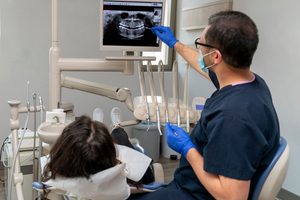
In many cases, acting quickly can help save lost or damaged teeth, so do your best to arrive on time to avoid unnecessary delays. Then, once you’re seated in the dentist’s chair, they’ll examine your teeth, gums, and existing dental work to identify the main problem.
In some cases, they might also need to take X-rays or other scans to see beneath the surface of your enamel and connective tissues or into the roots to determine the true extent of the damage, which isn’t always visible to the naked eye.
Step 3: Address Discomfort
Many dentists offer options for sedation to help you feel calm and comfortable no matter what condition your teeth are in. For instance, nitrous oxide, or laughing gas, is inhaled through a mask placed over your nose while they work, and typically induces a sense of deep calm and relaxation. Meanwhile, IV medications can be administered directly into the bloodstream for a stronger effect.
Step 4: Devise a Treatment Plan
Once you’re feeling more at ease and your dentist has identified the issue, they can devise a customized treatment plan for your approval. For example, if you have a severe toothache that needs attention, they might recommend a root canal followed by a dental crown. However, more severely injured, diseased, or decayed teeth that are too damaged to be fixed might require extraction and replacement.
In some cases, such as placing a root canal, your dentist can begin your procedure during your initial visit, but they may need to schedule follow-ups to complete the job.
Most dental problems only get worse the longer they go unaddressed, so it’s best to contact your dentist as soon as you notice an urgent issue!
About the Practice
At Rauchberg Dental Group, you and your family benefit from a team of oral healthcare providers who are passionate about helping you build happy, healthy smiles. With general dentists and specialists on staff, they can offer a comprehensive menu of services, including same-day emergency visits, to meet your unique needs conveniently under one roof. Then, they use advanced technology to plan and implement customized treatment plans for comfortable, long-lasting results. You can request an appointment on the website or call (973) 718-9887.