
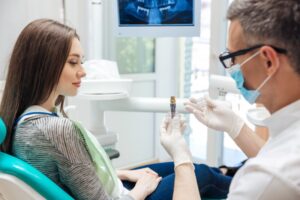
When you lose a tooth in the back of your mouth, it may not seem like a big deal, especially if no one can see it when you smile. Because molars and other back teeth are less visible, many people delay replacing them or assume treatment isn’t necessary. However, even a hidden missing tooth can lead to significant oral health problems over time.
Replacing a missing tooth isn’t just about appearance; it’s about protecting your long-term dental health and function.
Your Teeth Work Together
Every tooth in your mouth plays an important role in chewing, speaking, and maintaining proper alignment. When one tooth is missing, neighboring teeth no longer have the support they need to stay in place.
Over time, nearby teeth may begin shifting into the empty space. Opposing teeth can also drift downward or upward because they no longer have contact during biting.
These changes can affect your bite alignment and increase uneven pressure on your remaining teeth.
Missing Teeth Can Affect Chewing
Back teeth are especially important for chewing and breaking down food properly. Losing even one molar may reduce your ability to chew comfortably and efficiently.
Some people begin favoring one side of the mouth while eating, which can place extra stress on certain teeth and jaw muscles. Over time, this imbalance may contribute to jaw discomfort or problems like temporomandibular joint disorder.
Difficulty chewing may also lead some individuals to avoid healthier foods that are harder to eat.
Bone Loss Can Occur
One of the most important reasons to replace a missing tooth is to prevent jawbone deterioration. Natural tooth roots stimulate the jawbone whenever you chew. Without that stimulation, the bone in the empty area begins to shrink.
This process is known as bone resorption and can gradually weaken the jaw over time.
Bone loss may eventually affect nearby teeth, facial structure, and future tooth replacement options.
Higher Risk of Additional Dental Problems
Gaps caused by missing teeth can trap food and bacteria more easily, increasing the risk of plaque buildup and oral health issues.
Shifting teeth may also become harder to clean properly, raising the likelihood of:
- Cavities.
- Gum disease.
- Uneven tooth wear.
- Cracked or damaged teeth.
Replacing the missing tooth can help maintain a healthier, more stable smile overall.
What Are the Replacement Options?
Modern dentistry offers several ways to replace missing teeth, including:
- Dental implants.
- Bridges.
- Partial dentures.
Your dentist can recommend the best solution based on your oral health, budget, and goals.
Even if no one can see your missing tooth, it still plays an important role in your oral health. Leaving a gap untreated can affect your bite, chewing ability, jawbone health, and surrounding teeth over time. Replacing a missing tooth early can help prevent future complications and preserve the long-term health of your smile.
About the Practice
Do you have a missing tooth that needs replacing? Here at Rauchberg Dental Group, we offer the highest rated solution with dental implants. Dental implants offer the closest alternative to your natural teeth available today, and ours are placed in-house by a board-certified periodontist to ensure you’re getting the best care possible. And with convenient financing options available, there’s no better time than now to get your smile back. Book online or call our Parsippany office at (973) 718-9887.